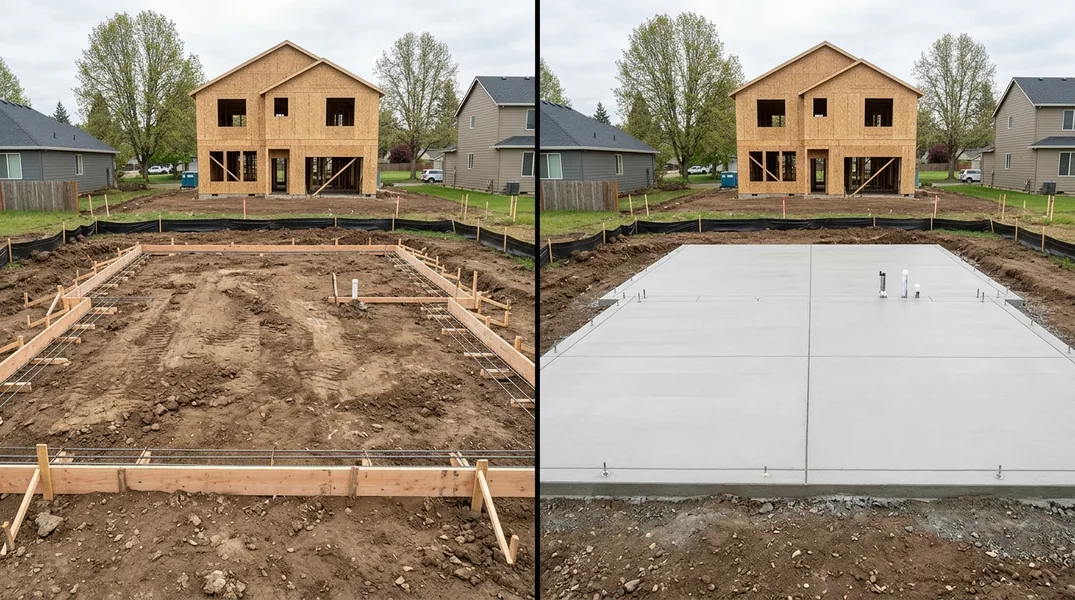
Understanding New Construction Concrete Slabs in Salem
Purchasing a new home in Salem is an exciting milestone, but it comes with significant responsibility. One of the most critical components of your new home that often gets overlooked is the foundation slab. Unlike older homes where foundation issues may have already surfaced and been addressed, new construction concrete slabs are supposed to be built to current building codes and standards. However, not all builders follow the same quality standards, and defects can occur during installation or curing.
A concrete slab serves as the foundation for your entire home. It supports the weight of the structure, prevents moisture intrusion, and affects the long-term stability of your property. When a slab is improperly installed, poorly graded, or fails to meet code requirements, you could face expensive repairs down the road. Before you close on your new construction home in Salem, understanding what to look for and what questions to ask can save you thousands of dollars and countless headaches.
What to Inspect During Your Builder Foundation Inspection
Your builder foundation inspection is one of the most important walkthroughs you'll conduct before closing. This is your opportunity to identify potential issues while the builder is still responsible for corrections. Start by examining the slab surface for visible cracks, uneven areas, or signs of settling. Small hairline cracks are often normal in concrete as it cures, but larger cracks (typically wider than 1/8 inch) or cracks that run the length of the slab warrant closer investigation and possible repair before you take ownership.
Look for pooling water or drainage issues around the perimeter of the slab. Proper grading is essential to direct water away from your foundation. If you notice areas where water collects or if the soil slopes toward the house rather than away from it, this is a red flag. Also inspect the slab for evidence of moisture intrusion, which might appear as dark spots, efflorescence (white powder deposits), or musty odors in the basement or crawl space. Ask your builder about the vapor barrier installation and whether the slab was sealed. These preventative measures are crucial for protecting your home from long-term moisture damage.
New Home Slab Questions You Should Ask Your Builder
Going into your final walkthrough with a prepared list of questions demonstrates that you're taking the inspection seriously and helps ensure nothing is overlooked. Ask your builder about the concrete mix design and strength specifications used for your slab. In Oregon, residential slabs typically need to meet certain PSI (pounds per square inch) requirements. Understanding whether your slab meets local building codes gives you confidence in its durability.
Inquire about the curing process and timeline. Concrete needs proper time and conditions to cure correctly, and rushing this process can compromise the slab's integrity. Ask whether the slab was sealed and what type of sealer was applied. A quality sealer protects against moisture, staining, and freeze-thaw damage, which are all concerns in the Pacific Northwest climate. Don't hesitate to ask for documentation of the slab's installation, including inspection reports from the builder's concrete contractor. Request information about any warranties that cover the foundation, as many builders offer limited warranties on structural elements including the slab.
Common Red Flags in New Construction Concrete Slabs
Certain warning signs should prompt immediate action and potentially delay your closing until issues are resolved. Significant cracking in a grid pattern, often called map cracking or crazing, can indicate problems with the concrete mix or curing conditions. Uneven settlement, where one section of the slab is noticeably higher or lower than adjacent areas, suggests inadequate soil preparation or compaction before the concrete was poured. This type of settlement can lead to structural problems and should be evaluated by a structural engineer before you close.
Be alert for signs of water damage or moisture problems, including discoloration, efflorescence, or mold growth. These issues are particularly concerning because they can worsen over time and become very expensive to remediate. If you notice cracks near door frames, windows, or in corners of rooms, this could indicate structural movement or poor slab performance. Additionally, check for any visible gaps between the slab and the foundation wall, which can allow pests and water infiltration. If you observe any of these red flags, do not proceed with closing until the builder has thoroughly investigated and addressed the concerns.
Hiring a Professional Inspector for Your New Build Slab
While your builder's foundation inspection is important, hiring an independent third-party inspector provides an objective assessment of your new construction concrete slab. A professional home inspector or structural engineer can identify issues that you or even the builder might miss. They have specialized knowledge of Oregon building codes and experience with common defects in new construction. This expert perspective is especially valuable if you're unfamiliar with concrete construction or if you notice anything during your walkthrough that concerns you.
A professional inspector can also test for moisture levels in the slab using specialized equipment and can evaluate the quality of the concrete finish and grading. They'll provide a detailed report documenting their findings, which gives you leverage to negotiate repairs with the builder before closing. If significant issues are discovered, this report can also protect you legally if problems emerge after you've taken ownership. The cost of a professional inspection is typically between $300 and $600, which is a small investment compared to the potential cost of repairing a defective slab.
Post-Closing Slab Maintenance and Long-Term Care
Once you've closed on your new home and verified that the concrete slab is in good condition, your responsibility shifts to proper maintenance and care. Regular cleaning and sealing help protect your slab from the elements and extend its lifespan. In the Salem area, where moisture and freeze-thaw cycles are common, maintaining a quality sealer is essential. Most concrete sealers need to be reapplied every two to three years to remain effective.
Avoid using salt-based ice melt products on your slab during winter, as these can accelerate concrete deterioration. Instead, use calcium chloride or sand for traction. Keep gutters and downspouts clear to ensure water is directed away from your foundation. If you notice new cracks or signs of moisture problems developing after you've moved in, address them promptly before they become more serious. For questions about maintaining your concrete foundation or if you need professional concrete services in the future, Salem Concrete is here to help. Whether you're considering Concrete Driveways or other concrete improvements to your property, we have the expertise to guide you. Contact Salem Concrete at (503) 400-6417 to discuss your concrete needs or to get a free estimate for any future projects.
Looking for a professional concrete contractor in Salem? Salem Concrete responds fast for all your concrete needs.
Get a Free QuoteOur services: Concrete Driveways · Concrete Patios · Stamped & Decorative Concrete